How to Generate Leads Organically

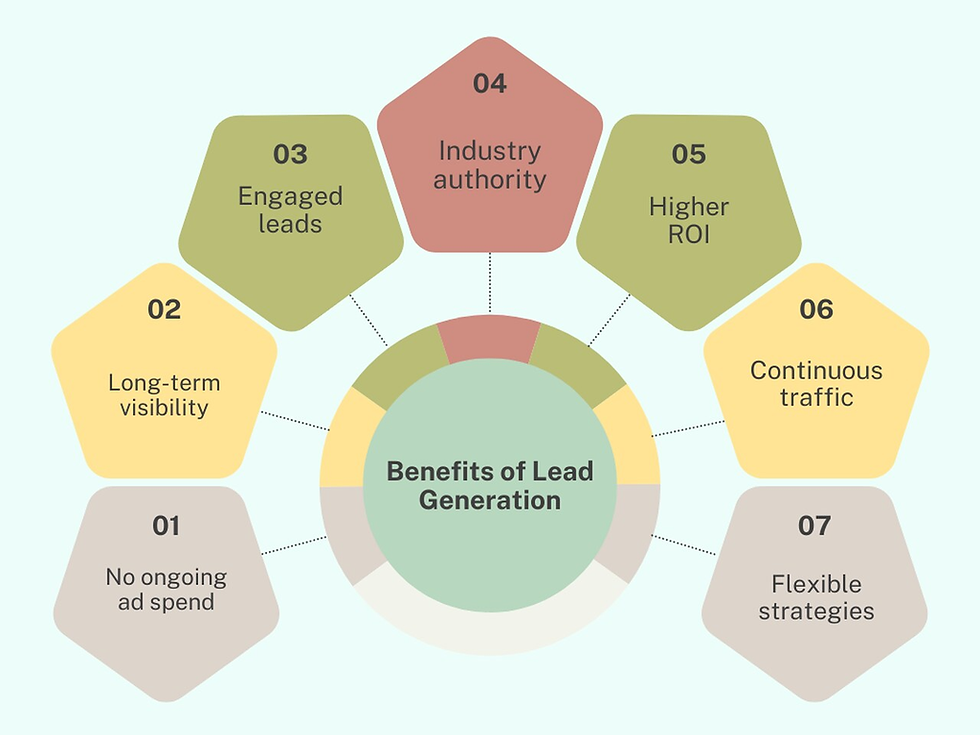
Generating a consistent flow of potential customers is essential for business growth, but attracting leads does not always require a large advertising budget. Businesses can generate organic leads by improving their online visibility, publishing useful content, answering customer questions, and building trust with their target audience.
Organic lead generation focuses on getting people who discover a business naturally through search engines, social media, educational content, and other non-paid channels. Rather than interrupting potential customers with advertisements, this approach helps businesses connect with people who are already researching a problem, comparing solutions, or looking for a service and are genuinely more qualified and better the paid leads.
A successful organic lead generation strategy combines search engine optimization (SEO), Answer Engine Optimization (AEO), Generative Engine Optimization (GEO), and a consistent content marketing strategy. These approaches help businesses become easier to discover, demonstrate their expertise, and guide interested visitors towards meaningful actions.
In this guide, we will explore how to generate leads organically, which channels to prioritise, and how businesses can turn valuable content into genuine sales opportunities.
What Is Organic Lead Generation?
Organic lead generation is the process of attracting potential customers without directly paying for advertising placements. It uses methods such as SEO, blogging, social media content, email newsletters, educational resources, and organic brand visibility to encourage people to engage with a business.
An organic lead is someone who expresses interest after discovering your business through a non-paid channel. For example, a business owner might find your website through a Google search, read an article about improving website conversions, and complete your contact form to discuss your services.
Other examples include someone sending a direct message after watching an educational Instagram Reel or subscribing to a newsletter after downloading a free guide.
Organic lead generation does not mean that generating leads is completely cost-free. Businesses still invest time, expertise, content production, website maintenance, and sometimes specialist support. The key difference is that they are not paying for every click or impression through an advertising platform.
When implemented consistently, organic lead generation can create a long-term discovery channel that supports business growth beyond individual advertising campaigns.
1. Use SEO to Attract People Actively Searching for Solutions

Search engine optimization is one of the most important ways to generate organic leads. It helps your website become discoverable when potential customers search for relevant information, products, or services on Google and other search engines.
For example, a business looking for professional SEO support might search for terms such as “SEO services for small businesses” or “how to improve website rankings.” If your website provides relevant, useful information and offers an appropriate service, it can attract visitors who already have an interest in what you do.
Identify Relevant Keywords and Search Intent
Begin by researching the words and questions your target audience uses when searching online. Tools such as Google Search Console, Google Keyword Planner, and keyword research platforms can help identify relevant search queries and content opportunities.
However, choosing keywords should involve more than looking at search volume. You also need to understand search intent, which describes what a person hopes to accomplish through a search.
Informational searches indicate that someone wants to learn something. Commercial searches suggest that a person is comparing possible solutions. Transactional searches often indicate a stronger intention to enquire, purchase, or book a service.
Your content should address these different stages of the customer journey. Educational blog posts can attract people who are researching a problem, while service pages, comparison guides, and case studies can help visitors evaluate their options.
Create Helpful Website Content
Publish content that answers customer questions clearly and provides practical information. Depending on your industry, this might include detailed blog articles, service pages, case studies, tutorials, comparison guides, or frequently asked questions.
Optimise each page with a descriptive title, a clear heading structure, a relevant URL, useful internal links, and a concise meta description. Make sure your website is accessible on mobile devices and that important pages can be crawled and indexed.
Google's SEO guidance emphasises helping search engines understand website content while creating pages that genuinely serve visitors. There is no guaranteed shortcut to the top of search results, so focus on usefulness, relevance, and a good website experience.
Most importantly, connect your content to a relevant next step. A blog about website optimisation, for instance, could direct interested readers to an SEO audit or consultation page.
2. Build an Effective Content Marketing Strategy
Publishing occasional blog posts or social media updates is not enough to create a predictable flow of organic leads. Businesses need a content strategy that connects audience needs, business goals, distribution channels, and conversion opportunities.
A well-planned content marketing strategy helps you attract the right people rather than simply increasing website traffic.
Start by identifying your ideal customers. Consider their industry, business size, common challenges, budget considerations, and questions before purchasing your services. This information will help you choose topics that are relevant to potential customers.
Next, organise your content around a few core themes. For a digital marketing agency, these might include SEO, lead generation, paid advertising, website optimisation, and conversion rate improvement.
Develop supporting articles around specific questions within each theme. For example, a lead-generation topic cluster could include articles about organic lead generation, lead magnets, landing page optimisation, lead qualification, and content conversion strategies.
Link related articles to one another and to relevant service pages. This helps visitors explore your website and gives search engines additional context about the relationships between your pages.
Google recommends creating helpful, reliable, people-first content instead of producing pages primarily to manipulate search rankings. Your content should offer meaningful value, demonstrate relevant knowledge, and satisfy the visitor's underlying question.
Match Content to the Customer Journey
Different types of content serve different purposes.
At the awareness stage, potential customers may be trying to understand a problem. Educational articles, short videos, and introductory guides can help them identify possible solutions.
During the consideration stage, visitors may compare service providers or evaluate different approaches. Case studies, detailed guides, comparison articles, and demonstrations can help them make informed decisions.
At the decision stage, people may want to understand pricing, timelines, deliverables, and the process of working with your business. Service pages, testimonials, consultation offers, and transparent FAQs can address these concerns.
When your content supports the entire customer journey, it becomes easier to move beyond attracting visitors and start generating qualified enquiries.
3. Use AEO to Improve Visibility in Answer-Based Search
Answer Engine Optimization (AEO) focuses on making content clear and useful for systems that provide direct answers to user questions. These experiences may include search features, voice assistants, and AI-powered tools that summarise information or respond conversationally.
Traditional SEO helps search engines discover, understand, and rank relevant pages. AEO places particular emphasis on answering specific questions directly and organising information so that people and automated systems can interpret it easily.
For example, instead of publishing a general article titled “Lead Generation,” a business could create a detailed guide answering questions such as:
What is organic lead generation?
How can a small business generate leads without paid ads?
Which content formats attract potential customers?
How can businesses convert website visitors into enquiries?
Use descriptive headings that reflect genuine customer questions. Follow them with concise, accurate answers before expanding on the subject with examples, explanations, and practical recommendations.
Definitions, step-by-step instructions, comparison sections, and relevant FAQs can make complex topics easier to understand. Where appropriate, support claims with credible sources and include original examples from your own experience.
AEO should not be treated as a separate trick for obtaining guaranteed visibility. Google states that its AI search features rely on existing search systems and foundational SEO practices, with no additional special optimisation requirements for appearing in AI Overviews or AI Mode.
Therefore, the practical approach is to combine sound SEO with clear answers, useful structure, reliable information, and content that directly addresses the audience's needs.

4. Implement GEO for AI-Powered Discovery
Generative Engine Optimization (GEO) is a term commonly used for improving the discoverability of content in generative AI experiences. These include tools that synthesise information from multiple sources to answer questions or recommend possible solutions.
For businesses, GEO creates an additional reason to develop clear, informative, and credible online resources. Potential customers may ask an AI tool to explain a service, compare providers, or identify businesses that solve a particular problem.
Although GEO and AEO overlap, the terms emphasise slightly different goals. AEO generally focuses on providing direct answers, while GEO often focuses on making information useful and discoverable within generative responses.
How Businesses Can Support GEO
Begin with a technically accessible website. Important pages should be crawlable, indexable, and eligible to appear in ordinary search results. Ensure that your content is available in a readable format rather than relying entirely on information embedded in images or inaccessible interface elements.
Create detailed service pages that explain what you offer, who you help, which problems you solve, and how your process works. Publish original research, practical examples, expert commentary, and case studies when available.
Keep business information consistent across your website and relevant online profiles. Include clear business details, accurate service descriptions, and genuine customer testimonials where appropriate.
Use descriptive headings and explain specialist terms in plain language. If you publish statistics or make factual claims, provide relevant context and link to trustworthy supporting sources.
Google's guidance for generative AI search experiences continues to emphasise foundational SEO, helpful content, and compliance with Search policies. Eligibility for inclusion does not guarantee that a page will be selected or cited in an AI-generated response.
For this reason, measure GEO as part of a wider discovery strategy rather than relying on guaranteed AI citations. Monitor relevant referral traffic, enquiries, brand visibility, and the quality of leads generated through your content.

5. Generate Leads Through Short-Form Video Content
Short-form videos on Instagram Reels, YouTube Shorts, and TikTok can help businesses reach audiences who may not yet know that their services exist.
Unlike search-led content, which often connects with people actively looking for answers, social media videos can introduce your expertise to people while they browse their feeds. Consistent, relevant content can build recognition and encourage interested viewers to explore your website or contact your business.
The most effective videos focus on a specific audience problem or useful idea rather than delivering a constant stream of promotional messages.
For example, a digital marketing agency could create a Reel explaining three common SEO mistakes, a short video demonstrating how to improve a service page, or a YouTube Short showing how businesses can qualify leads more effectively.
A useful structure is to begin with a clear opening statement, explain one central idea, demonstrate the solution, and finish with a relevant call to action.
Calls to action should match the content. A video offering quick SEO tips could invite viewers to read a related blog post. A detailed service demonstration might encourage interested business owners to book a consultation.
Repurpose strong ideas across formats. One detailed blog post could provide the foundation for several short videos, a carousel, a newsletter, and a series of frequently asked questions.
This approach helps maintain consistency without requiring your team to invent entirely new ideas for every platform.

6. Turn Website Visitors Into Qualified Organic Leads
Attracting visitors is only the first part of organic lead generation. If people read your content but cannot identify what to do next, your website may generate traffic without producing meaningful business opportunities.
Every important content page should have a clear next step that fits the visitor's needs.
For example, a service page could invite visitors to request a consultation, while an educational blog could offer a downloadable checklist or link to a related service. A case study might encourage readers to discuss a similar project with your team.
Create Useful Lead Magnets
A lead magnet is a resource that encourages potential customers to share their contact details in exchange for useful information. Examples include checklists, templates, industry reports, calculators, and practical guides.
The resource should solve a specific problem for your intended audience. A small business interested in SEO might value a website audit checklist, while a startup planning its marketing activities might prefer a content calendar template.
Keep forms simple and request only information that is necessary at that stage. Explain what subscribers can expect to receive and obtain appropriate consent before sending marketing communications.

Improve Your Landing Pages
A landing page should clearly communicate the service or offer, its intended audience, and the value of taking action.
Use a specific headline, explain the benefits, address common objections, and include a visible form or contact option. Relevant testimonials, case studies, and examples can help visitors evaluate your credibility.
Review the experience on mobile devices and remove unnecessary distractions. Test different headlines, calls to action, and form lengths to understand which changes improve enquiry quality.

Qualify Leads Before Following Up
Not every enquiry will be a suitable prospect. Depending on your business, useful qualification details might include the person's main challenge, required service, expected timeline, or approximate budget.
Use this information to prioritise follow-ups and direct enquiries to the appropriate team member. Respond promptly and provide a relevant next step rather than sending every lead the same generic message.
Organic lead generation becomes more useful when the business measures qualified opportunities and sales outcomes, not simply form submissions.
7. Strengthen Local SEO and Build Trust
For businesses serving a specific city or region, local SEO can help attract potential customers who are looking for nearby services.
Optimise your website with relevant service and location information. Create useful local landing pages when they genuinely serve distinct audiences, and avoid producing multiple near-identical pages that add little value.
Maintain an accurate Google Business Profile, including your business category, contact details, services, opening hours, and other relevant information. Encourage genuine customers to leave reviews and respond to feedback professionally.
Google explains that local results are primarily influenced by relevance, distance, and prominence. Businesses cannot control every factor, but accurate information and a well-maintained online presence can help people understand what they offer.
Trust also grows through consistent expertise. Publish realistic case studies, explain your process clearly, and avoid exaggerated promises about rankings, revenue, or lead volume.
These practices help potential customers evaluate your business before contacting you.
8. Measure and Improve Your Organic Lead Generation Strategy
Organic lead generation requires ongoing measurement because not every topic, platform, or content format will produce the same results.
Use Google Search Console to monitor search impressions, clicks, queries, and the performance of important website pages. Website analytics can help you understand how visitors arrive, which pages they explore, and whether they complete meaningful actions.
For social media, track metrics such as relevant profile visits, website clicks, direct enquiries, and conversions rather than relying exclusively on views or follower counts.
Your most useful business metrics may include:
Organic traffic to important service and content pages.
Enquiries and qualified leads from organic channels.
Conversion rate from relevant landing pages.
Lead-to-customer rate and revenue generated.
Performance of individual content topics and calls to action.
Review these metrics regularly. If an article attracts relevant traffic but generates few enquiries, improve its calls to action and add links to appropriate services. If a page receives impressions but few clicks, review whether its title and description accurately communicate its value.
If a topic attracts visitors who are unlikely to become customers, refine your targeting or develop content that better matches commercial intent.
Update older content when information becomes outdated, and expand pages when you identify unanswered questions. Prioritise meaningful improvements instead of changing content merely to make it appear fresh.
Common Mistakes to Avoid When Generating Organic Leads
One common mistake is publishing content without a defined audience or business objective. High traffic does not automatically translate into qualified leads.
Another is focusing exclusively on keyword rankings while ignoring user experience. Even relevant content may struggle to generate enquiries if the website is confusing, slow, or difficult to navigate.
Businesses may also spread their resources across too many channels. It is often more practical to build a consistent publishing process around a few relevant channels before expanding further.
Finally, avoid expecting immediate results. Organic discovery depends on factors such as competition, content quality, website accessibility, audience demand, and the time required to establish visibility and trust.
A sustainable strategy focuses on consistent improvement rather than guaranteed timelines or ranking promises.
Conclusion: Build a Sustainable Organic Lead Generation System
Generating organic leads requires more than publishing blog posts or uploading social media videos. It involves building a connected system that helps potential customers discover your business, understand your expertise, and take the next step.
SEO helps your website reach people searching for relevant solutions. AEO encourages clear, direct answers to customer questions, while GEO supports discoverability in generative AI experiences. A focused content marketing strategy and consistent short-form videos can extend your reach and strengthen relationships with potential customers.
When these approaches are supported by useful lead magnets, clear landing pages, relevant calls to action, and regular performance tracking, businesses can create a more structured approach to organic lead generation.
The goal is not simply to attract more visitors. It is to help the right people find your business, trust the information you provide, and become qualified opportunities over time.
Frequently Asked Questions About Organic Leads
1. What is the best way to generate leads organically?
The most suitable approach depends on your audience and business model. SEO, helpful blog content, short-form videos, email newsletters, local SEO, and educational resources can all attract potential customers without paid advertising. Combining relevant content with clear conversion opportunities helps turn interest into enquiries.
2. How long does organic lead generation take?
There is no fixed timeline. Results depend on competition, website authority, content quality, audience demand, and the channels you use. Some businesses may receive enquiries relatively quickly through social media, while SEO-led growth can take longer. Consistency and regular measurement are important.
3. Can small businesses generate organic leads without paid ads?
Yes. Small businesses can use useful website content, local SEO, organic social media, customer referrals, and email newsletters to attract potential customers. Starting with a specific audience and a manageable content plan can help businesses use their time and resources effectively.
4. What is the difference between organic leads and paid leads?
Organic leads come through non-paid discovery channels, such as search results, unpaid social media content, or referrals. Paid leads are generated through advertising or other paid acquisition activities. Both can support business growth, but their costs, timelines, targeting options, and measurement methods differ.
5. How does SEO help generate organic leads?
SEO helps relevant pages appear in search results for queries related to your products or services. When your content matches search intent and provides useful information, it can attract potential customers. Relevant service pages, internal links, and clear calls to action help visitors move towards an enquiry.
6. What is the difference between SEO, AEO, and GEO?
SEO focuses on improving a website's discoverability in search engines. AEO emphasises answering specific questions clearly for answer-based experiences. GEO focuses on making content useful and discoverable in generative AI experiences. These approaches overlap and are most effective when built on helpful content and sound technical SEO.
7. How can content marketing generate qualified leads?
Content marketing attracts and educates potential customers through resources such as blog posts, videos, guides, and case studies. When content addresses real customer problems and provides relevant next steps, it can help visitors evaluate a business and submit enquiries that are more closely aligned with its services.
8. How can I measure organic lead generation?
Track organic website traffic, relevant search queries, contact-form submissions, calls, bookings, and enquiries from social media. Where possible, connect these activities to qualified leads, sales, and revenue. Google Search Console and website analytics tools can help you understand discovery and visitor behaviour.
9. Does short-form video help generate organic leads?
Yes. Educational and problem-solving videos can introduce a business to new audiences, demonstrate expertise, and encourage people to visit a website or send a message. Results depend on audience relevance, content quality, consistency, and the clarity of the next step.
10. What is the difference between organic traffic and organic leads?
Organic traffic refers to visitors who discover your business through unpaid channels. Organic leads are visitors or audience members who take an action that indicates interest, such as requesting a consultation, submitting a form, or asking for a quotation. Traffic can support lead generation, but the two metrics are not interchangeable.


Comments