AEO and SEO for Insurance Companies

Insurance is a high-trust, high-consideration industry. People rarely purchase a policy simply because an insurance company appears in Google search results. They want to understand what is covered, compare policy options, evaluate exclusions, review customer experiences and feel confident that the provider will support them when they need it.
For a new insurance company, building this confidence can be particularly challenging. Established insurers often benefit from years of brand recognition, customer relationships and market visibility. A newer business must work harder to demonstrate credibility and reach potential customers at the right stage of their decision-making journey.
This is where a combined SEO and Answer Engine Optimisation (AEO) strategy becomes valuable. Insurance SEO helps businesses improve their visibility in traditional search results, while AEO focuses on making useful information easier for answer-based and AI-powered search experiences to understand and reference.
However, visibility alone is not enough. Insurance companies need a strategy that connects educational content, technical performance, authority building and conversion-focused landing pages.

1. Build Trust Through Educational Insurance Content
Insurance terminology can be confusing, especially for first-time buyers. Concepts such as premiums, deductibles, waiting periods, exclusions, riders, sum insured and claim procedures may influence a purchasing decision, but consumers do not always understand what they mean.
An effective content strategy should simplify these concepts before attempting to sell a policy.
Create educational resources that address the questions customers ask during their research. These may include detailed insurance guides, policy comparisons, coverage explainers, claim process articles and FAQs. For example, a health insurance company could publish an article explaining the difference between individual and family floater policies, while a life insurer could explain how term insurance works and what factors influence premium calculations.
Content should also address common misconceptions and mistakes. Explain what a policy does not cover, why certain conditions have waiting periods and what customers should review before purchasing.
This approach positions the company as an informative resource rather than just another insurance seller. It also creates opportunities to target informational search queries and build relevant internal links to product and consultation pages.
Because insurance information can influence financial decisions, accuracy is essential. Have qualified professionals review important content, display author credentials where relevant, cite reliable sources and update articles when policy details or regulations change.
2. Demonstrate Credibility Through Reviews and Customer Experiences
Consumers want evidence that an insurance provider can deliver the support it promises. Genuine customer experiences can help address this concern, particularly when a new company has limited brand recognition.
Create dedicated spaces for customer testimonials, verified reviews and case studies. Where customers have agreed to share their experiences, explain how they selected a policy, what coverage they needed and how the insurer supported them during the process.
Claim-related stories can be particularly useful, but they must be presented responsibly. Clearly distinguish between an individual experience and a general policy benefit. Do not imply that every claim will receive the same outcome or that a particular settlement experience guarantees future results.
Transparency matters just as much as positive feedback. Explain the claims process, required documentation, exclusions, grievance channels and available support. Avoid fabricated testimonials, exaggerated settlement claims or unsupported comparisons with competitors.
For SEO, these trust signals can improve the usefulness of important pages and help visitors make informed decisions. They also contribute to a stronger brand presence when consistent, genuine information appears across relevant platforms.
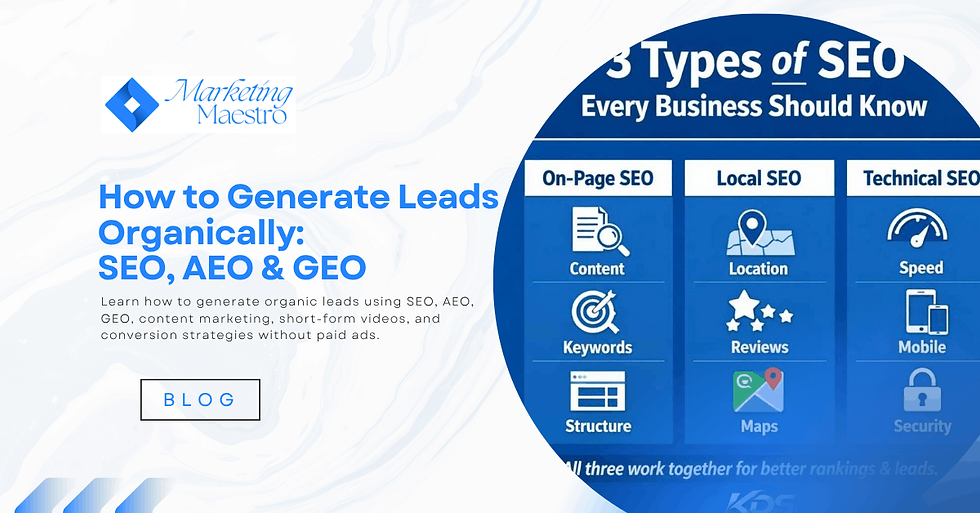
3. Strengthen Local SEO for Insurance Agents and Offices
Insurance customers may prefer to speak with an advisor or visit a nearby office before choosing a policy. For businesses with physical branches, agents or location-specific services, Local SEO can help connect them with customers searching in their area.
Start by creating and maintaining an accurate Google Business Profile. Add the correct business name, address, phone number, website, operating hours and relevant business information. Select appropriate categories and keep details updated when offices or service arrangements change.
Location-specific landing pages can support searches such as insurance advisors in a particular city or health insurance services in a locality. Each page should contain useful local information, relevant services, office details and clear contact options. Avoid creating multiple near-identical pages that simply replace one city name with another.
Encourage genuine customers to leave reviews and respond professionally to feedback. Maintain consistent business information across relevant directories and industry listings.
Google explains that local results are influenced by relevance, distance and prominence. Businesses cannot simply pay for better organic local rankings, so accurate information, useful pages and a credible online presence are important parts of a sustainable Local SEO strategy.

4. Invest in Technical SEO for a Reliable Website
A website may contain excellent insurance guides and detailed product information, but technical problems can make its pages difficult to discover, access or use.
Technical SEO provides the foundation that allows search engines to crawl, understand and index a website effectively. Begin by checking whether important pages are accessible to search engines and whether robots.txt rules, noindex directives or incorrect canonical tags are blocking valuable content.
Website architecture should make it easy for visitors to navigate between insurance categories, product pages, educational resources and contact information. Use descriptive URLs, logical headings and relevant internal links to connect related topics.
Mobile performance deserves particular attention. Many customers research insurance through their phones, and complicated forms or slow-loading pages can interrupt the enquiry process. Review Core Web Vitals, image sizes, scripts, page responsiveness and layout stability. Keep the website secure with HTTPS and ensure that important content remains accessible on smaller screens.
Structured data can also help search engines interpret eligible information. Use relevant markup where appropriate, ensuring it accurately reflects visible page content. Schema does not guarantee enhanced search appearances, and adding irrelevant or misleading markup can undermine trust.
A regular technical audit helps identify broken links, duplicate pages, indexing problems and performance issues before they affect important customer journeys.

5. Use AEO to Improve Visibility in AI-Powered Search
Consumers increasingly ask direct questions through conversational search experiences and AI-powered tools. Instead of searching only for an insurance company, someone may ask, "What should I check before buying health insurance?" or "How does a waiting period work in a medical insurance policy?"
Answer Engine Optimisation helps businesses organise their information so that search engines and answer-based systems can understand the content and potentially reference it when responding to relevant questions.
Start by identifying questions across the customer journey. These could cover policy eligibility, coverage limits, exclusions, premiums, claim documentation, renewal procedures and comparisons between policy types.
Answer each question clearly near the beginning of the relevant section, then provide the detail needed to explain exceptions and conditions. Use descriptive headings, concise explanations, comparison tables where useful and FAQs that address genuine customer concerns.
AEO also depends on credibility. Publish expert-reviewed information, identify authors and reviewers accurately, provide relevant references and maintain consistent company information across authoritative platforms.
An experienced AEO Expert can help develop a strategy that connects question research, content structure, technical accessibility and brand authority. However, no agency or optimisation technique can guarantee that a website will be cited or recommended by an AI platform.
Google's current guidance is particularly important here: its AI search features rely on the same foundational SEO principles, including crawlability, helpful content, internal linking and accessible text. There is no special AI schema or separate technical shortcut that guarantees inclusion.

6. Build Authority Through Relevant Digital PR and Guest Contributions
Insurance is a competitive category where consumers need reasons to trust a provider. Relevant external mentions and quality backlinks can help strengthen a company's online authority and introduce its expertise to new audiences.
Consider contributing educational articles to reputable finance publications, insurance websites and relevant business platforms. Insurance professionals can also share commentary on industry developments, explain common policy questions or contribute research-based insights to publications.
Digital PR can support this process through useful reports, consumer education campaigns and expert perspectives. For example, an insurer might publish an educational study about common misunderstandings around policy exclusions, provided the research methodology and findings are clearly explained.
Focus on editorial relevance and publication quality rather than the number of links acquired. Avoid paid link schemes, irrelevant guest-post networks and content created solely to insert backlinks.
A credible SEO Expert can help identify suitable publishing opportunities, develop useful contributions and monitor the quality of the website's backlink profile.
7. Create Landing Pages That Turn Search Visibility into Enquiries
Getting someone to click on your website is only half the job. Convincing them to take the next step is equally important.
This is an area that insurance companies should prioritise. A business may improve rankings, attract organic traffic and earn visibility in AI-powered search, but still struggle to generate enquiries if visitors cannot find relevant information or understand what to do next.
Create dedicated landing pages around insurance categories, customer requirements and locations. These may include health insurance, term life insurance, motor insurance, business insurance, policy comparison and consultation pages.
Each landing page should continue the conversation that started in search. If someone searches for affordable health insurance, the destination page should explain relevant coverage options, premium considerations, eligibility, exclusions and the process for requesting a quote.
Include a clear value proposition, transparent policy information, genuine trust signals and answers to common objections. Calls to action such as "Get a Quote", "Compare Plans" and "Speak to an Advisor" should be easy to find.
Keep enquiry forms simple and mobile-friendly. Ask only for the information needed at the initial stage, explain how submitted details will be used and provide clear privacy information.
Measure more than page visits. Track form submissions, qualified enquiries, calls, consultation bookings and the conversion rate of important landing pages. This helps identify whether the SEO strategy is attracting the right audience and whether the website is turning that attention into meaningful business opportunities.
8. Measure and Improve Your SEO and AEO Strategy
SEO and AEO should be treated as ongoing activities rather than one-time website improvements.
Use Google Search Console to monitor organic impressions, clicks, search queries, indexing and page performance. Analytics tools and CRM data can help connect website activity with enquiries and lead quality.
For local campaigns, monitor relevant location-based visibility, Business Profile interactions and calls. For AEO, maintain a consistent set of relevant questions and periodically review whether the brand or its content appears in answer-based platforms. AI visibility can vary by platform, query and time, so treat these observations as directional rather than guaranteed performance metrics.
Review which pages attract qualified visitors, which questions remain unanswered and where users abandon enquiry journeys. Use these insights to update content, improve landing pages and prioritise technical fixes.
Conclusion
For insurance companies, effective search marketing is about more than appearing in Google results. It is about helping potential customers understand complex products, evaluate their options and develop confidence in the provider.
A balanced strategy combines educational content, genuine customer experiences, Local SEO, Technical SEO, authority building and AEO. Most importantly, it connects visibility with well-designed landing pages that make the next step clear.
For newer insurance businesses, this creates an opportunity to build credibility through useful information and consistent customer experiences rather than relying entirely on established brand recognition. With a structured approach and regular measurement, SEO and AEO can become valuable channels for attracting relevant audiences and generating qualified enquiries.
Frequently Asked Questions
1. Why is SEO important for insurance companies?
SEO helps insurance companies reach people actively researching policies, coverage options and insurance providers. It can improve organic visibility, attract relevant website visitors and support trust through useful educational content.
2. What is AEO in the insurance industry?
Answer Engine Optimisation (AEO) is the process of structuring useful, accurate content so that answer-based search experiences and AI-powered platforms can better understand it and potentially reference it when responding to insurance-related questions.
3. How can a new insurance company build trust online?
A new insurance company can build trust by publishing expert-reviewed educational content, explaining policy terms transparently, sharing genuine customer experiences, displaying accurate company information and making claims and support processes easy to understand.
4. How does Local SEO help insurance agents?
Local SEO helps insurance agents and businesses with physical offices improve their visibility for relevant searches in their service areas. An accurate Google Business Profile, genuine reviews and useful location-specific pages can support local discovery.
5. What does Technical SEO involve for an insurance website?
Technical SEO includes improving crawlability, indexability, website speed, mobile usability, internal linking, URL structure, HTTPS security and appropriate structured data. These improvements help search engines access and understand website content.
6. Can AEO guarantee that an insurance company appears in AI-generated answers?
No. AEO can improve content clarity, accessibility and the likelihood that information is understood by answer-based systems, but AI platforms determine which sources to reference. No optimisation strategy can guarantee citations or recommendations.
7. How can insurance companies convert organic traffic into leads?
Create dedicated landing pages for individual insurance categories and customer needs. Explain coverage clearly, include genuine trust signals, answer common questions, use visible calls to action and make enquiry forms simple to complete.


Comments