How US Brands Can Outsource AR/VR Content Development

Augmented Reality (AR) and Virtual Reality (VR) are creating new opportunities for brands to engage audiences through interactive product demonstrations, immersive storytelling, virtual showrooms, and digital event experiences. However, developing these experiences requires a combination of creative talent, technical expertise, suitable software, and structured project management.
For US businesses, outsourcing AR/VR content development can provide access to a broader talent pool and flexible production capacity. Indian teams can support projects ranging from 3D product visualisation and AR Games to virtual environments, interactive campaigns, and AR in Event experiences.
The key is choosing a reliable development partner and establishing clear expectations from the beginning. Companies need to maintain control over intellectual property, brand standards, timelines, confidentiality, and final deliverables, regardless of where the work is produced.
With the right processes, offshore collaboration can become a practical extension of an American company's creative or technology team.
Why Are US Brands Outsourcing AR/VR Development to?
Developing immersive content often involves several specialist roles, including 3D artists, animators, developers, designers, and quality assurance professionals. Hiring every specialist internally may not be practical for businesses with occasional projects or changing production requirements.
Indians offers US brands another option: working with an external team that can contribute specific skills as needed. Companies can outsource an entire project or engage specialists for particular stages, such as 3D asset creation, interactive development, testing, or content optimisation.
Cost is another consideration. Outsourcing may reduce the need for permanent hiring, infrastructure, and long-term staffing commitments. However, lower rates alone should not determine the choice of partner. Communication, technical capability, project ownership, and quality assurance are equally important.
For brands planning product launches, exhibitions, corporate events, or digital campaigns, a structured offshore partnership can provide production flexibility without requiring them to transfer strategic control of the project.

What AR/VR Content Can US Businesses Outsource?
The right scope depends on the campaign objective, target audience, and platforms on which the experience will run.
AR Experiences and Interactive Product Content
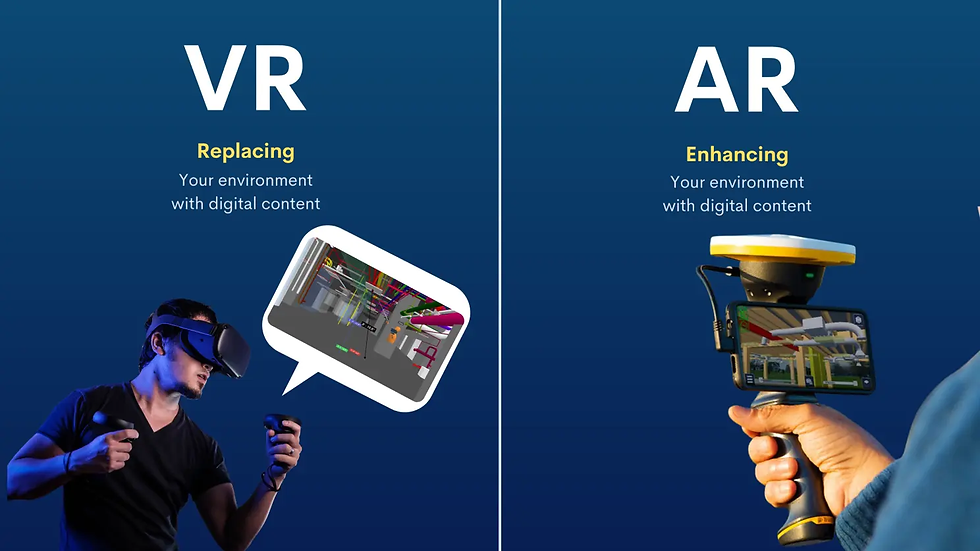
An AR Developer can help build experiences that place digital elements into a user's real-world surroundings through a compatible smartphone, tablet, or AR device. Examples include virtual product previews, interactive packaging, 3D product demonstrations, and branded filters.
An AR Content Developer may create the associated 3D models, animations, visual assets, and interactive elements. These assets need to reflect the brand's visual identity while remaining optimised for the intended devices.
VR Experiences for Events and Marketing
VR content can help brands create virtual showrooms, simulated environments, product demonstrations, and immersive brand stories. For example, a company attending a US trade show could use a virtual factory tour to demonstrate its manufacturing capabilities without transporting equipment to the venue.
Similarly, AR in Event campaigns can allow visitors to scan a display or product and access additional digital information. AR Games can introduce interactive challenges, rewards, or branded activities that encourage audience participation.
These experiences should be designed around a clear purpose. A visually impressive activation is not necessarily effective unless it helps audiences understand the product, participate in an activity, or connect with the brand.
How to Maintain Control Over Intellectual Property and Confidentiality
Intellectual property is one of the most important considerations when outsourcing custom AR/VR development. A project may involve proprietary product designs, unreleased campaign concepts, software code, 3D models, animations, and other assets that have commercial value.
US brands should establish ownership and usage rights in a written agreement before development begins. The contract should specify which party owns the newly created assets, source files, code, documentation, and project-specific materials. It should also distinguish these deliverables from pre-existing tools, libraries, templates, and third-party assets.
US copyright law has specific requirements for work-made-for-hire arrangements, and commissioned work does not automatically qualify in every situation. A written assignment or licence may be needed depending on the work and agreement. Businesses should have qualified legal counsel review the contract rather than relying on a general ownership statement alone.
Confidentiality should be addressed just as carefully. A non-disclosure agreement (NDA) can establish how confidential information may be used and shared. Access permissions, secure file-sharing systems, approved communication channels, and restrictions on subcontracting can provide additional safeguards.
Before sharing sensitive assets, companies should confirm who can access them, how they will be stored, and what happens to project data when the engagement ends.
The AR/VR Development Process: From Briefing to Final Handover
A transparent development process helps US brands monitor progress while giving the offshore team a clear understanding of the required outcome.
1. Briefing and Project Discovery
The process begins with a detailed brief covering the business objective, target audience, user journey, visual direction, technical requirements, supported devices, budget, and deadline. Reference materials and examples help align expectations before production starts.
2. Concept Design and Prototyping
The team prepares an initial concept, storyboard, user flow, or interactive prototype. This stage allows stakeholders to review the proposed experience before investing in full production.
Approving the prototype early can reduce costly revisions later, particularly when the project includes complex interactions or custom 3D environments.
3. Content Production and Development
Once the concept is approved, the team develops the required assets and functionality. Depending on the project, this may include 3D modelling, animation, AR interactions, VR environments, interface design, programming, and platform integration.
Regular milestone reviews help the client check whether the work matches the agreed creative direction and technical requirements.
4. Testing and Quality Assurance
Testing should cover more than visual appearance. The team should check performance, loading times, navigation, device compatibility, interaction accuracy, and usability.
For event-based experiences, testing should also reflect the actual operating environment, including venue connectivity, available hardware, expected user volumes, and staff instructions where relevant.
5. Delivery and Handover
The final handover should include the agreed deliverables, source files where specified, documentation, deployment instructions, and any required access credentials. Both parties should confirm that the deliverables meet the acceptance criteria before the project is formally closed.
How to Manage Timelines, Communication, and Quality
Offshore projects can face communication gaps when requirements are unclear or feedback arrives late. These risks can be reduced through structured collaboration.
Assign a decision-maker on the US side and a project lead on the delivery side. Use a shared project tracker, documented meeting notes, version-controlled files, and written approvals to maintain a reliable record of decisions.
Break the project into milestones with defined deliverables and review periods. For example, the client might approve the concept, then the prototype, then a production build, followed by final testing. Each milestone should identify who reviews the work and how feedback is incorporated.
Time-zone differences can also be managed through scheduled overlap hours and agreed response times. A predictable communication routine is usually more useful than relying on frequent, unstructured messages.
Quality assurance should be planned from the start rather than left until delivery. A defined review checklist, test devices, acceptance criteria, and a documented revision process help keep the finished experience aligned with the brand's expectations.
How Much Does AR/VR Content Development in India Cost?
Pricing depends on the complexity of the experience, the level of customisation, the number of assets, the platforms supported, and the expertise required.
A relatively simple AR product visualisation may require less production time than a multiplayer AR Game or a fully interactive VR environment. Costs can also increase when projects need detailed 3D modelling, advanced interactions, several device versions, localisation, analytics, or extensive testing.
As a broad planning reference, published 2026 software outsourcing estimates place many mid-level Indian development roles around $25–$50 per hour, with senior or specialist roles sometimes costing $40–$80 or more per hour. These are indicative general software-development ranges, not a verified rate card for every AR/VR specialist or a quote for a complete project. Actual rates vary by provider, scope, and team composition.
For a more reliable budget, ask potential partners to separate discovery, design, asset production, development, testing, deployment, and ongoing support. Confirm whether software licences, third-party assets, hardware, travel, revisions, and post-launch maintenance are included.
Marketing Maestro recommends comparing proposals based on deliverables, accountability, and expected quality—not just the lowest hourly rate. A clear scope and milestone-based pricing structure can help businesses manage spending and reduce unexpected costs.
How Marketing Maestro Can Support AR/VR Content Projects
Marketing Maestro helps businesses approach digital content and marketing projects with a focus on clear objectives, audience relevance, and practical execution. For US brands exploring offshore AR/VR production, the priority should be to establish a well-defined brief, suitable creative and technical capabilities, transparent communication, and measurable deliverables.
A structured collaboration model can help businesses coordinate content requirements, review creative output, plan production milestones, and maintain consistency across campaigns. The exact scope and pricing should be agreed based on the project's requirements, technology, and delivery schedule.
The objective is not simply to outsource production. It is to create a working relationship in which the US brand retains strategic direction while the development partner understands its responsibilities and delivers work against agreed standards.
Conclusion
Outsourcing AR/VR content development to can give US brands access to specialist creative and technical capabilities while offering flexibility in how projects are staffed and delivered. From interactive product demonstrations and AR Games to immersive event experiences, offshore teams can support a wide range of digital initiatives.
Successful partnerships depend on more than cost savings. Clear IP ownership, confidentiality safeguards, documented requirements, milestone-based approvals, structured communication, and thorough quality assurance help protect the brand and the final result.
For businesses considering an offshore AR/VR project, the best starting point is a focused brief, a realistic budget, and a partner willing to make scope, responsibilities, timelines, and deliverables transparent from day one.
Frequently Asked Questions
1. Why should US brands outsource AR/VR development to India?
Outsourcing can provide access to creative and technical specialists, flexible team capacity, and potentially lower development costs than some domestic alternatives. The value depends on the partner's skills, project management, communication, and quality controls.
2. How can a US company protect its intellectual property when outsourcing?
Use a written contract that defines ownership or licensing rights for custom-created assets, source code, 3D models, and other deliverables. Add confidentiality obligations, access controls, subcontracting restrictions, and clear handover requirements. Have legal counsel review the agreement.
3. What does an AR Developer do?
An AR Developer builds augmented reality functionality, such as interactive product previews, digital overlays, and device-based experiences. Their work may involve programming, platform integration, tracking, testing, and performance optimisation.
4. What is an AR Content Developer responsible for?
An AR Content Developer creates or prepares the digital content used in an AR experience. Depending on the project, this may include 3D models, animations, visual effects, interactive assets, and branded content.
5. Can AR Games be developed for brand activations and events?
Yes. AR Games can include interactive challenges, digital scavenger hunts, product-based games, and branded experiences. The format should suit the audience, event environment, supported devices, and campaign goals.
6. How long does an AR/VR project take?
Timelines depend on complexity, the number of assets, technical integrations, testing needs, and approval speed. A focused prototype may be completed much sooner than a custom multi-user experience. A reliable estimate requires a defined scope and milestone plan.
7. How much does it cost to outsource AR/VR content development to India?
Costs vary with the development team, project scope, content complexity, platforms, and testing requirements. Businesses should request an itemised proposal that separates production, development, quality assurance, licences, and ongoing support rather than relying on a generic price estimate.



Comments